
How Renewable Biogas Energy Is Powering the Next Generation of Sustainable Crypto Mining and Online Casino Crypto Platforms in the U.S.
How Renewable Biogas Energy Is Powering the Next Generation of Sustainable Crypto Mining and Online Casino Crypto Platforms in the U.S.
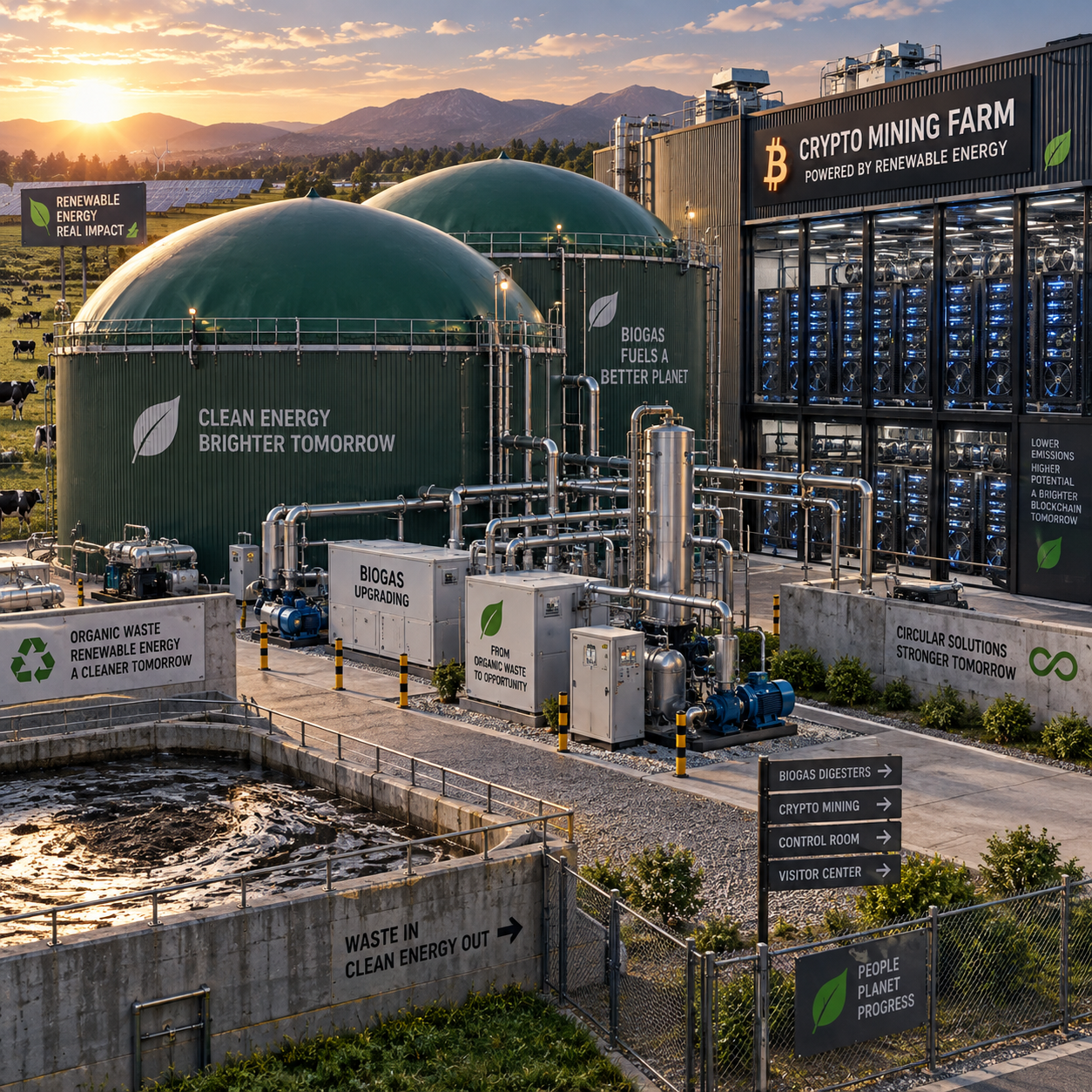
Anyone who's watched their electricity bill spike after running a few mining rigs knows exactly how power-hungry this industry has become. Add to that the explosive growth of online gambling — where every spin, hand of poker, and live dealer stream runs through massive data centers — and you've got two U.S. industries quietly competing for the same strained power grid. I've spent the last year digging into how renewable biogas energy might actually solve this problem, and honestly, what I found surprised me. It's not just a theoretical fix; it's already happening in pockets across the American Midwest, and it's starting to reshape how we think about green crypto infrastructure, including the platforms where people play casino crypto games every single day.
What Is Renewable Biogas Energy?
Biogas isn't some futuristic concept — it's actually one of the oldest tricks in the renewable energy book, just getting a modern upgrade. It's produced when organic waste like manure, food scraps, and agricultural residue breaks down in an oxygen-free environment through a process called anaerobic digestion. Bacteria do the heavy lifting, converting waste into methane-rich gas that can be burned for electricity or heat. Because the carbon released was already part of the natural cycle (plants absorbed it, animals ate the plants, waste decomposed), it's generally considered carbon-neutral. It's a genuinely circular system: waste in, clean power out.
How Biogas Differs from Other Renewables
Solar panels need sunshine. Wind turbines need, well, wind. Biogas generators need neither. That's the real selling point here, and it's a big one for industries like crypto mining that can't afford downtime. A mining rig doesn't care if it's cloudy outside — it needs consistent, 24/7 power to stay profitable. Biogas plants can run continuously, day or night, rain or shine, because they're pulling energy from stored organic material rather than unpredictable weather patterns. For operations that run servers around the clock, that reliability is worth a lot more than most people realize.
The Energy Crisis Behind Crypto Mining and Digital Gambling
Let's talk numbers for a second. U.S.-based crypto mining operations reportedly consume as much electricity annually as entire small countries. Meanwhile, the data centers supporting online gaming and gambling platforms aren't exactly light on energy use either — think about the servers needed to run live dealer streams, real-time odds calculations, and secure blockchain transactions simultaneously for millions of users. Regulators have taken notice. Several states have started scrutinizing mining operations over grid strain, and there's growing public pressure on gambling platforms to disclose their carbon footprints. Rising energy costs aren't helping either — I've talked to mining operators who say their power bills alone can make or break a quarter's profitability.
Biogas-Powered Crypto Mining Operations in the U.S.
This is where things get genuinely interesting. Mining companies have started setting up shop literally next to dairy farms, landfills, and wastewater treatment plants — places that produce a constant, reliable stream of organic waste. Instead of trucking that waste elsewhere or letting methane vent into the atmosphere (which is way worse for the climate than CO2, by the way), operators are capturing it, converting it to electricity on-site, and feeding it directly into mining rigs. It's a win-win: farms get a new revenue stream from waste they used to just dispose of, and miners get cheap, stable power without competing for grid capacity.
Case Examples and Pilot Projects
Midwest agricultural states — Iowa, Wisconsin, and parts of Minnesota in particular — have become unexpected hubs for this kind of pairing. Dairy-heavy regions produce enormous volumes of manure, which happens to be an excellent biogas feedstock. Several pilot projects have paired small-scale digesters with containerized mining setups, essentially proving that a single farm's waste output can meaningfully offset a mining operation's energy needs. It's not replacing the grid entirely, but as a scalable proof of concept, it's showing real promise for rural energy independence tied to digital infrastructure.
Powering Online Casino Crypto Platforms with Clean Energy
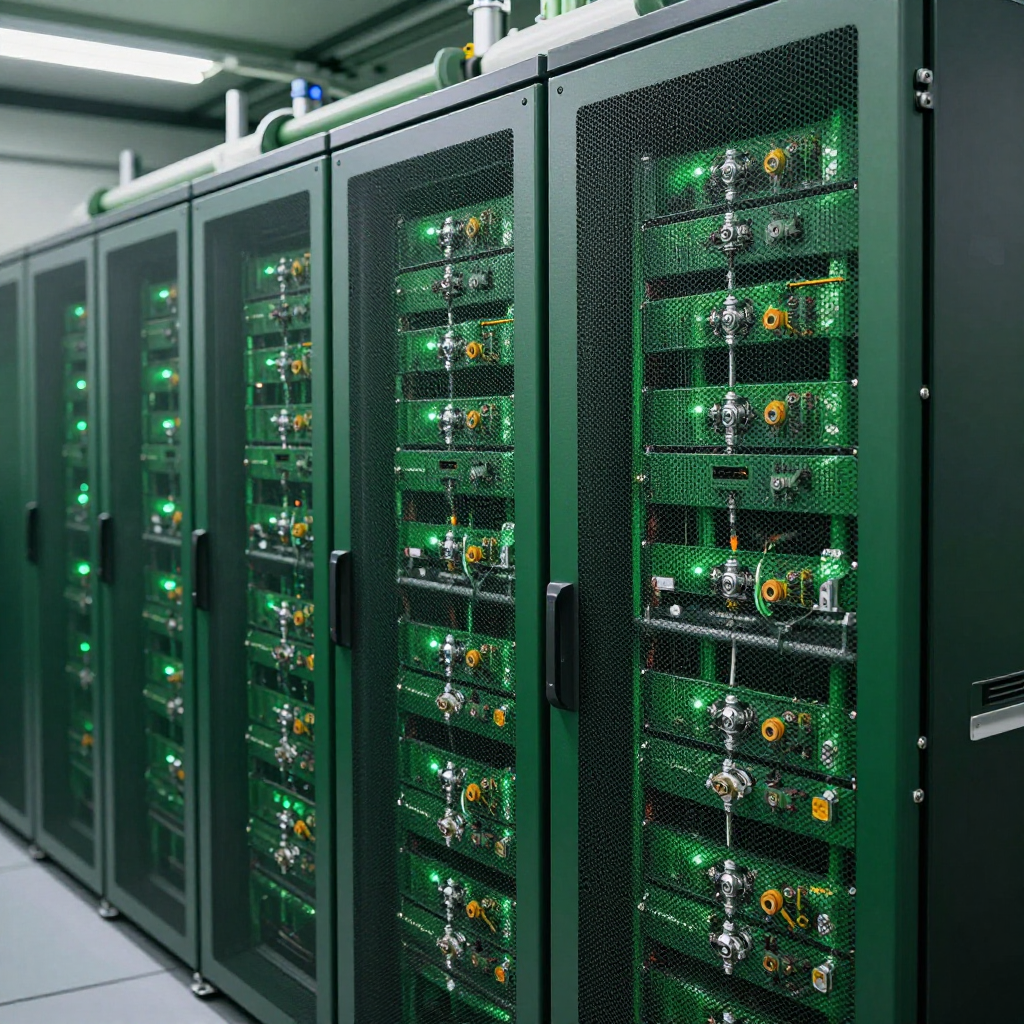
The online gambling world is watching this shift closely, too. Data centers hosting casino crypto platforms are under increasing pressure — both from regulators and from players themselves — to prove they're not just profitable but responsible. Sustainability commitments have gone from a nice-to-have to a genuine competitive advantage; eco-conscious players are starting to factor a platform's environmental footprint into where they choose to play. This is where research organizations focused on microbial biogas technology become genuinely important. Groups advancing anaerobic digestion efficiency and small-scale biogas systems are essentially laying the technical groundwork that server farms will eventually rely on to power the next generation of green casino crypto infrastructure. It's a slower burn than mining pilot projects, but the direction is unmistakable.
Benefits of Biogas Integration for Digital Platforms
Once you start listing out the advantages, it's easy to see why interest is growing so fast:
- Lower carbon footprint — a meaningful selling point as scrutiny over crypto's environmental impact intensifies.
- Reduced energy costs — on-site generation often beats grid rates, especially in areas with volatile electricity pricing.
- Regulatory compliance — staying ahead of state and federal clean energy mandates rather than scrambling to catch up.
- Brand reputation — both crypto exchanges and gaming platforms benefit from being seen as environmentally responsible.
- Energy independence — less reliance on strained regional grids means fewer disruptions during peak demand periods.
Challenges and the Road Ahead
None of this comes without friction, though. Building out biogas infrastructure isn't cheap — digesters, storage, and generation equipment require significant upfront capital, which smaller operators simply don't have. Scalability is another sticking point; a single farm's waste output might power a modest mining setup, but it's nowhere near enough to run a hyperscale data center on its own. Policy gaps don't help either — the U.S. still lacks consistent federal incentives for biogas-crypto pairings, leaving a patchwork of state-level programs that vary wildly in support. Getting past these hurdles will take real investment, closer partnerships between agricultural producers and tech companies, and continued advances from research groups pushing microbial digestion efficiency forward. It's a long road, but not an impossible one.
Renewable biogas energy is quietly becoming one of the more credible answers to a problem that's only going to grow — how do we keep powering crypto mining and online gambling infrastructure without burning through fossil fuels or overwhelming the grid? It's not a perfect solution yet, and it's not going to replace solar or wind overnight. But the combination of constant availability, waste-to-energy efficiency, and genuine scalability makes it worth watching closely. As research institutions and digital platforms start collaborating more directly, I suspect we'll see this technology move from pilot projects to mainstream infrastructure faster than most people expect.
 Aloha, and welcome to Margaritas In The Rain! My name is Marisa. I live in Hawaii, where I cook approachable food. With an island twist. And yes, I do love drinking margaritas on rainy days. Care to join me?

